


Most city newsletters are an expense. This one paid its own way.
The bottom line up front: Schertz Magazine grew out of Schertz Tales, the newsletter inside the city water bill, in one of Texas' fastest-growing cities. Advertisers covered the cost, the magazine went free to every water-bill household, and it became a source of pride for the town.
The question: can a city talk to every household without billing the taxpayer for it?
01See: a newsletter nobody would miss
Schertz was growing fast, and the city talked to its residents through Schertz Tales, the newsletter inside the water bill. Growth meant more people to reach and more to tell them: new roads, new parks, a city turning fifty. Then a big news conglomerate bought the local paper, and the town became an afterthought. The goal was a real magazine for the whole town, one that would not sit on the city's books.
02Align: advertisers pay, every household reads
The plan lined the pieces up. No permanent line item on the taxpayer: advertising would offset the costs. The water-bill list already reached every home, so city messaging would ride it straight to the end user, no middleman, with drop copies at the library and around town. Local businesses got in front of every household and got the community involved; the city got a way to support economic development and quality of life, and to tell its own story. What went in was worked out with the people the messages touched. An experienced publisher came on board and sold the first ads. An experienced designer owned the look and feel, the brains behind all of it.
03Design: coffee-table worthy
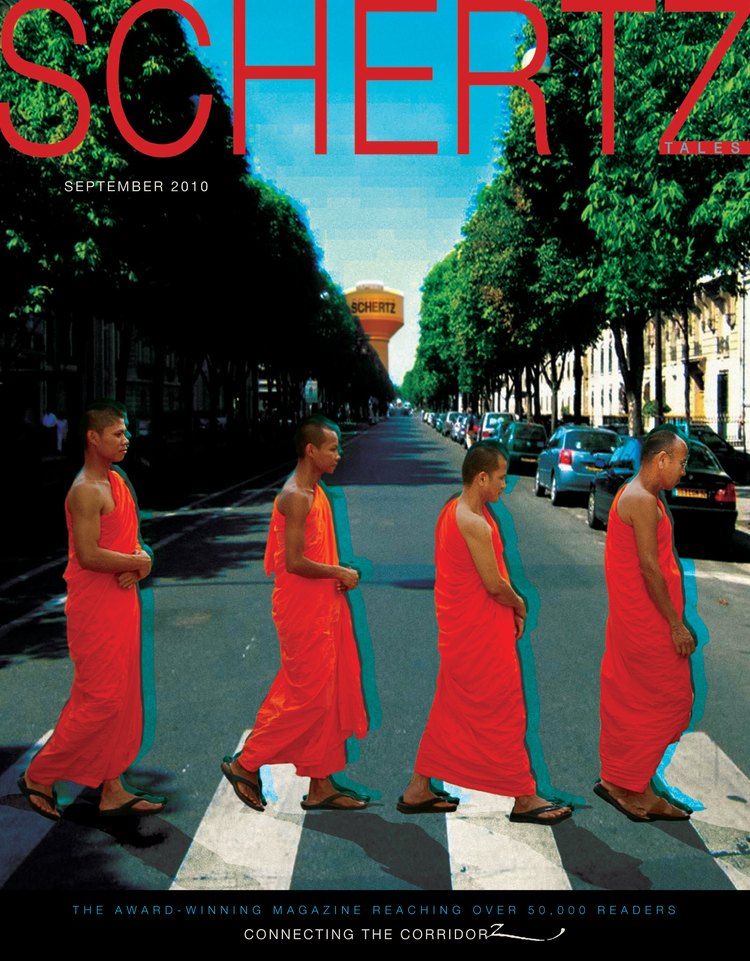
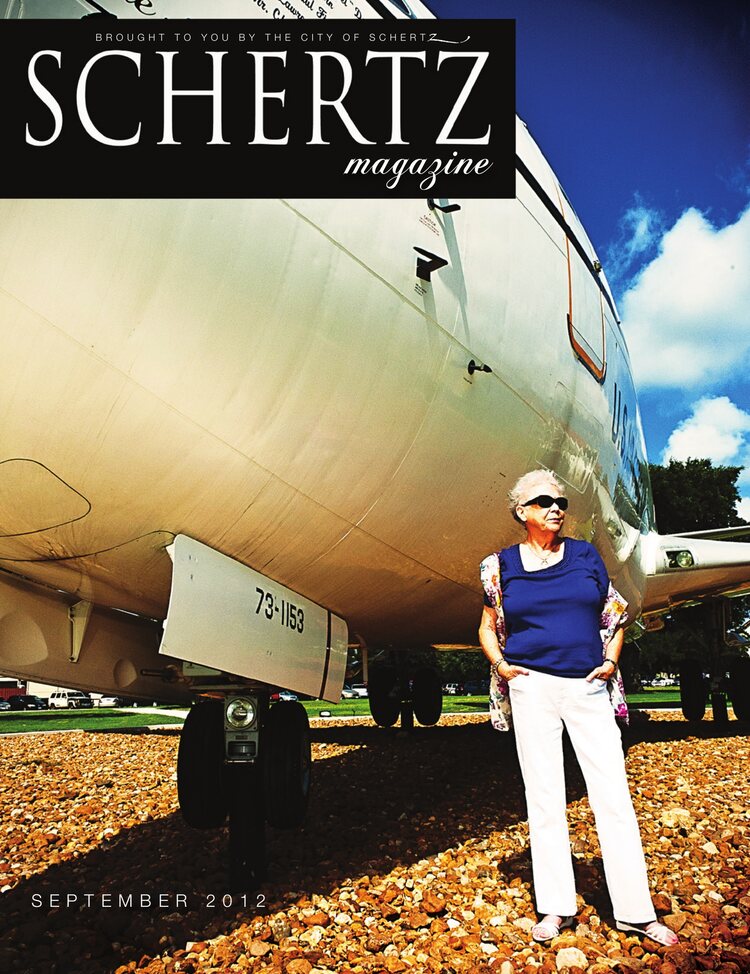
We called it coffee-table worthy: hyper-local news and real stories about the town, designed to be left out, not tossed. The covers did the arguing: an Abbey Road homage for September 2010, a QR-coded cover for September 2011, the C-5 Galaxy for September 2012. A city magazine people would pick up on purpose, and keep on the counter.

04Execute: three Septembers
The logistics were the job: the postal service, the printing costs, the team, the photography, the design, the advertisers. Schertz Tales became Schertz Magazine in April 2008, and it grew to 52 to 64 pages a month with upwards of 40 advertisers.
The September 2011 issue made every ad do something. Each one carried its own QR code, built with LittleBlackBoxes: Gold Rush asked customers to scan with a smartphone, Stellar Homes put closing-cost help on a scan, and Goomba's Pizzeria promised a free pizza for a click on the code. This was 2011. Most of the country would not scan its first code for years.
The work was recognized with four Communicator Awards of Distinction, entered into the Congressional Record in 2010, and the October 2010 issue was a TAMI award finalist. And the same advertisers' codes and coupons became part of Schertz Trailz, the QR signs on the city's hike-and-bike trails - ad money from the magazine helped fund the trail project.
Related case studySchertz Trailz: QR Codes on the Trail →
05More covers
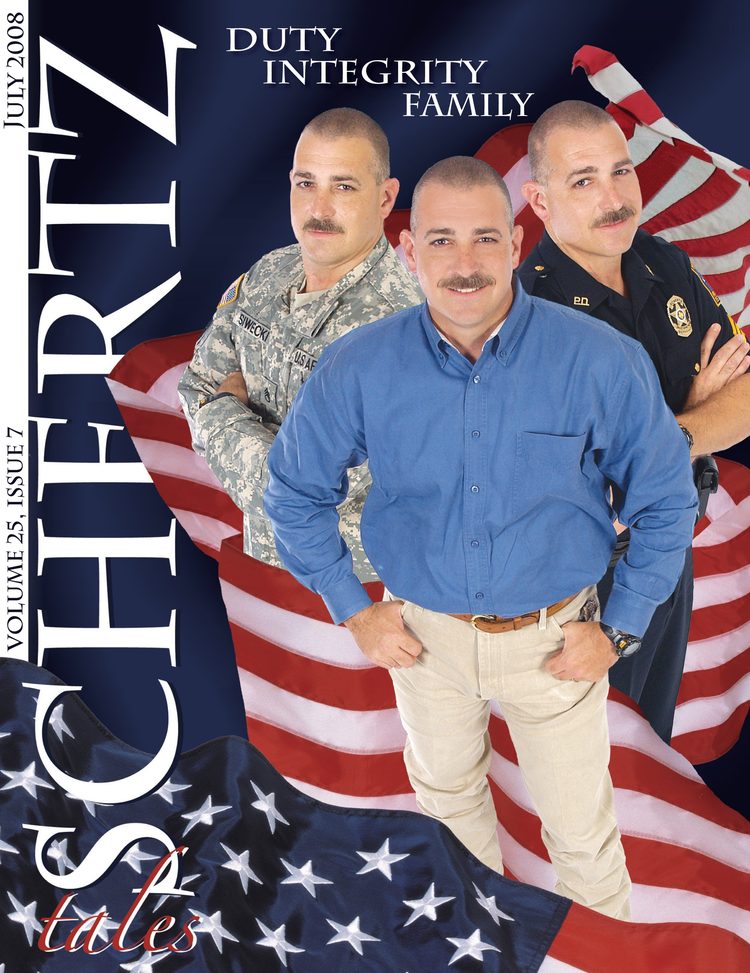

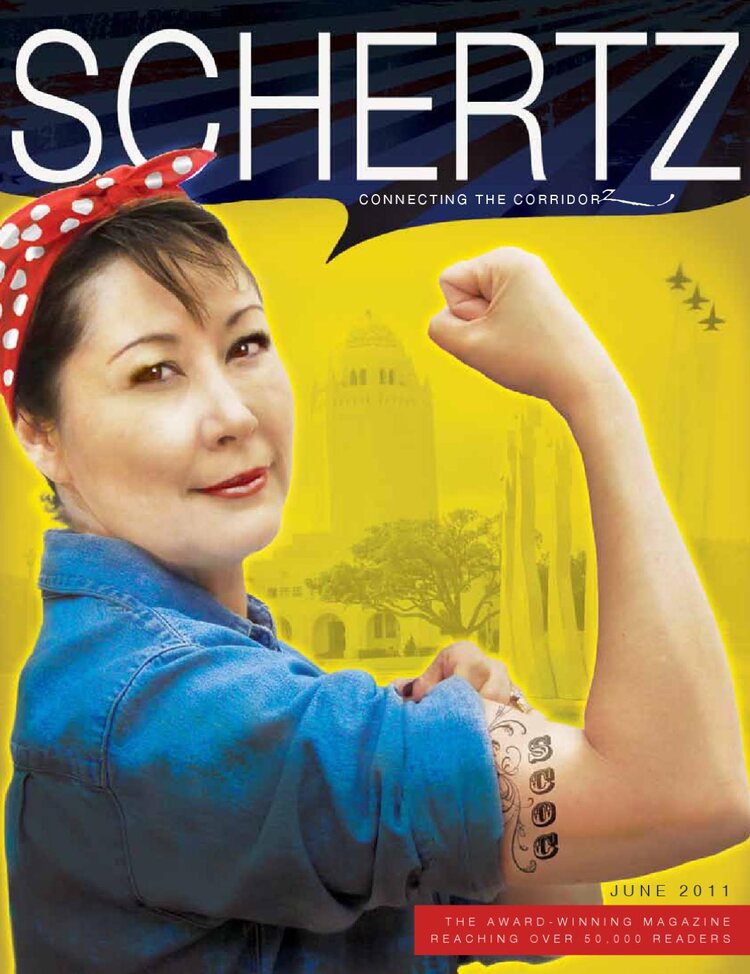
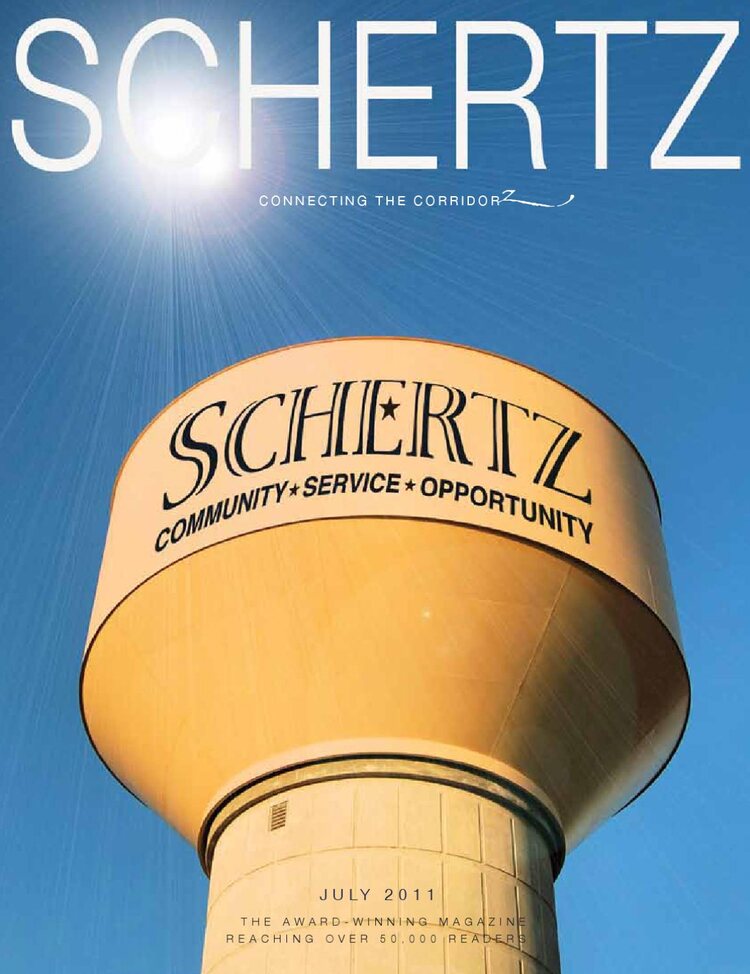


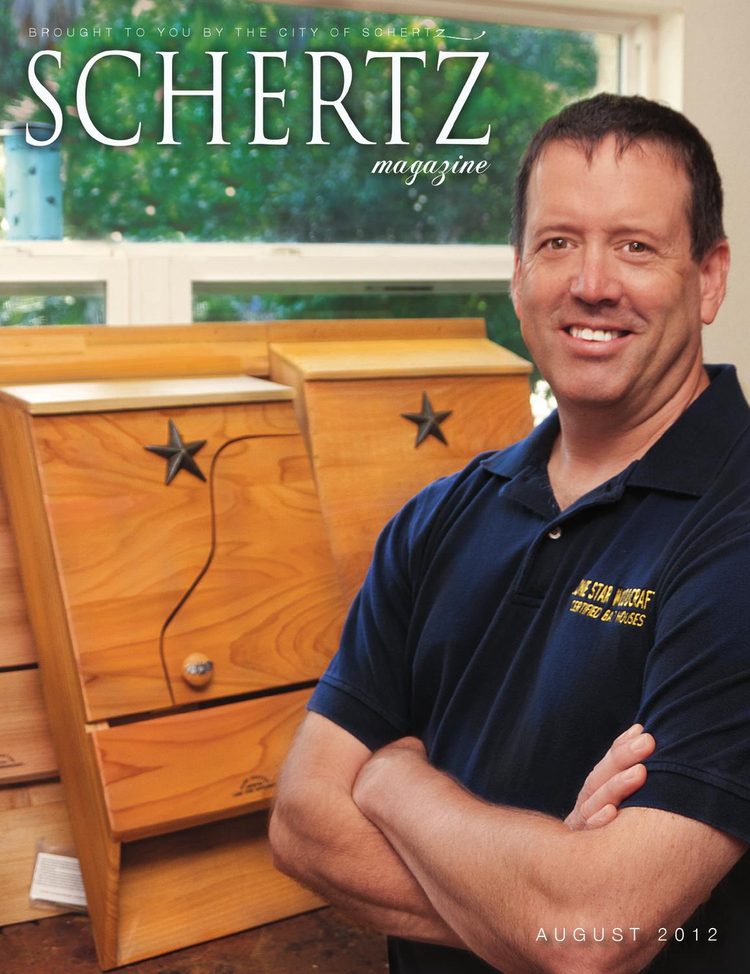

Read the back issues on the city's Issuu archive.
06Red team
Every project has weak points. Three attacks on this one. Pick a verdict, then see how it held up.
Score: 0 of 3
“Nobody reads a city magazine.”
It held. The magazine looked like a real magazine because a real designer built it, and it rode the water bill into every home whether the reader asked for it or not. People read it, kept it on the counter, and talked about the covers.
“Ads in a city magazine are pay-to-play.”
It held. The ads paid for resident communication that would otherwise cost the taxpayer, and every business in town got the same shot at a page and a code.
“QR codes in 2011 were a gimmick.”
Mostly held. The codes made print measurable for a local business for the first time, and they ended up funding signs on public trails. The gimmick argument expired the first time a pizza moved.
07The people behind it
The people behind it7 credits
Don Taylor, Schertz city manager, who backed the magazine.
David Harris, assistant city manager.
Leslye Hernandez, the experienced publisher we brought on board, the first to sell the ads.
Chris Matz, who carried advertising from there.
Alexis Souza, the experienced designer - the brains behind all of the look and feel.
Chuck McCullough, publications editor.
Linda Klepper, who took the magazine over from me in 2013.
See. Align. Execute.
See. Align. Execute.
See the opportunity. Align the resources. Execute. If one of these sounds like something you're working on, I'm glad to talk.