
Schertz Trailz: QR Codes on the Trail
Flashback, 2011: how a city with no money for big signs put a trail on your phone.
Before everyone had a QR code on a menu, a small Texas city put them on a trail.
The short version: Schertz Parkway was nicely decorated, but in my view it didn't lead to a park. Money was tight, so no exercise equipment and no massive signs. The idea was a trail of QR-code stops tied to a website we could update without reprinting anything. Local advertisers helped pay for it, the City's own crews made and installed the signs, and one person could run the whole thing.
The problem
Schertz Parkway was nicely decorated, but it didn't go to a park, at least in my view. We wanted people out walking and using it. We also had very little money. There was no budget for exercise equipment along the way, and none for massive signs that would need reprinting every time something changed.
The idea
A trail of QR-code stops, with a few fun games along the way, all tied to a website. The signs would stay the same. The website behind them could change whenever we needed it to.
I wanted it to earn its keep, too. It was meant as an economic generator, tied to the Schertz Chamber of Commerce. Local businesses could advertise on it: Grumpy's restaurant bought space, and scanning the code got you a coupon for a discount. The website was built to work on a phone, and social media posts could roll straight into it. I also thought it could grow into a way to get emergency information to people.
The idea and the mobile-friendly website behind it go back to around 2008, by my memory. The trail signs and the cover story came in 2011.
What a QR code is
A QR code is a bar code that points your phone at a web page, so you don't have to type an address. QR technology was pioneered in Japan in 1994, but it took years to show up in the States. In 2011 you scanned one with a free app from the iPhone or Android store: aim the camera, and you were on the page.
Putting one on a sign is dirt cheap, and for the person scanning it costs nothing. That was the whole appeal.
Schertz Trailz
The Schertz Trailz project launched in 2011. Residents and tourists could scan a code and find out more about the city. Discounts to local eateries and other establishments were available after scanning. Everything was updated remotely by a single person.
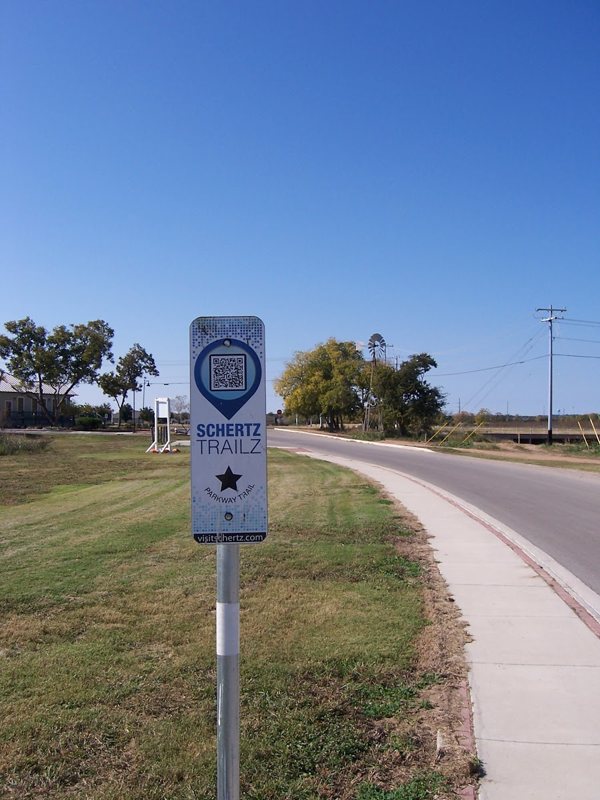
Because the trail was eligible for park funds, we could pay for it that way. I think the grant was about $10,000, but check me on that. The signs were made by the Schertz Public Works sign group, every QR code was individualized, and Parks and Recreation installed them.
We ran it through Schertz Magazine, which helped sell the advertising and gave us an innovative way to publish. The September 2011 issue put the idea on the cover: "QR Codes, A Quicker Schertz, by design."

A QR code for the City
I designed a QR code especially for the City of Schertz. The city colors and the recognizable "Z" are built into the code. A QR code has to keep a certain integrity to scan, but there is room to adapt it.

Bond projects and bird watchers
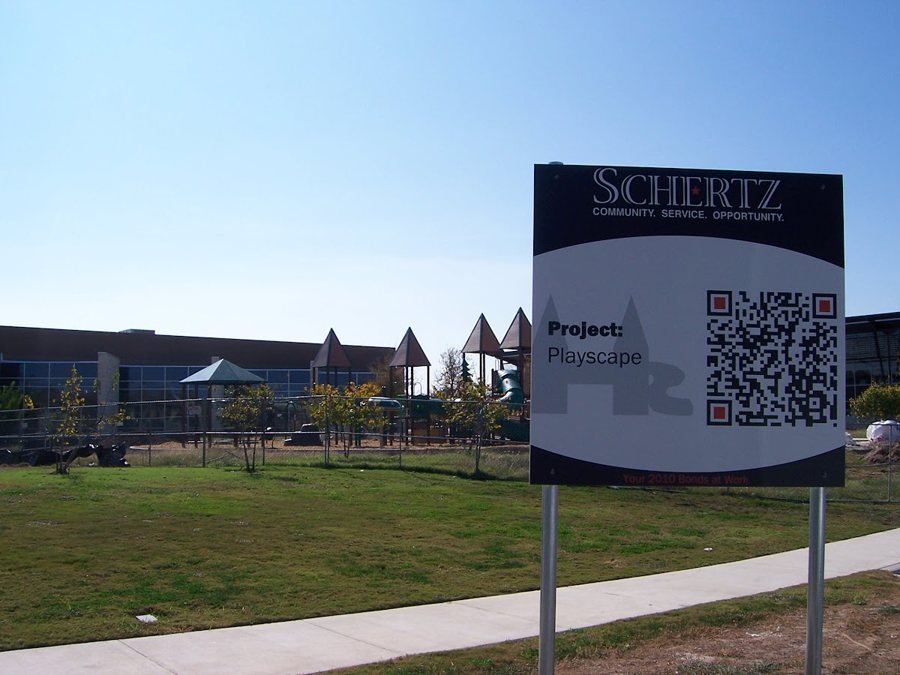
The same codes kept residents informed about bond projects, such as the Playscape project voters approved in 2010. The information could be updated remotely, so residents could always see what was going on.
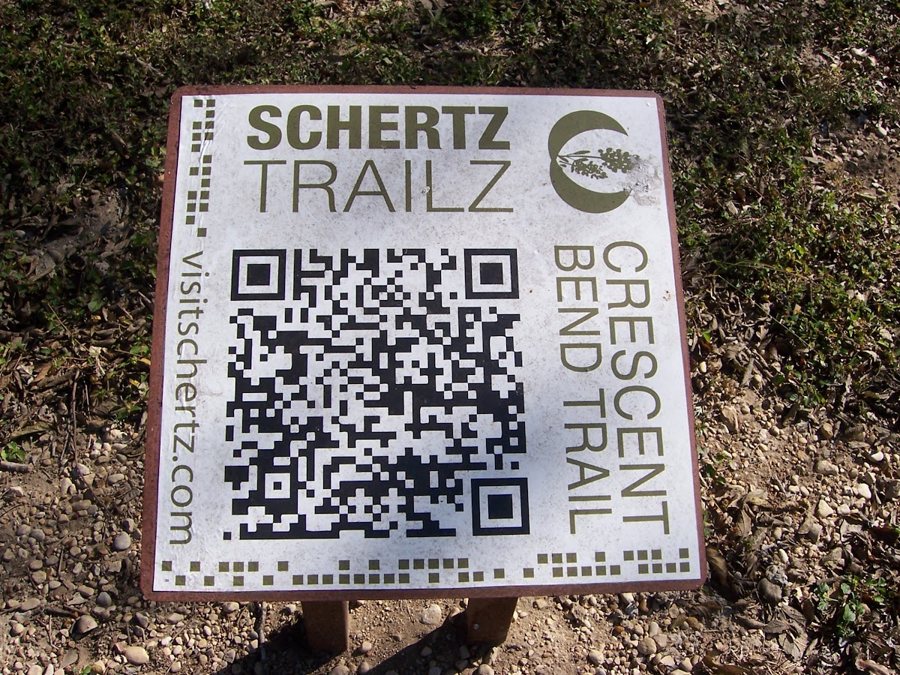
In 2011, QR code signs were added at Crescent Bend Nature Park in Schertz. The park is habitat for many bird species and draws bird lovers from all over. Scanning a code told them about the species in the park and their habitats, and the updates could be done remotely by one person.
How long it ran
We kept it updated through at least 2012, and it continued until about 2020. It was probably taken down after COVID, but I don't know that for certain.
Telling other people
In 2011 I was invited to speak to the Public Relations Society of America in San Antonio, along with other communications groups, to show how this kind of tool could be used.
Thank you
This took a lot of people.
Don Taylor, then City Manager of the City of Schertz.
George Logan, then Parks and Recreation Director. Parks and Recreation installed the signs.
David J. Harris, then Assistant City Manager.
John Bierschwale, then Assistant City Manager.
Richard Salmon, then Grants Administrator for Hays County, came up with the idea of funding the trail from parks money.
The Schertz Public Works sign group made the signs, and Schertz Magazine helped sell advertising and carry the story.
What it taught me
Will QR codes be around forever? Probably not. New methods of communication are invented every day. That is why it is worth experimenting and testing the waters rather than falling behind the technology curve.
My own QR code, below, pointed people to my website.

© 2026 Brad E. Bailey · More case studies · Back to the present